


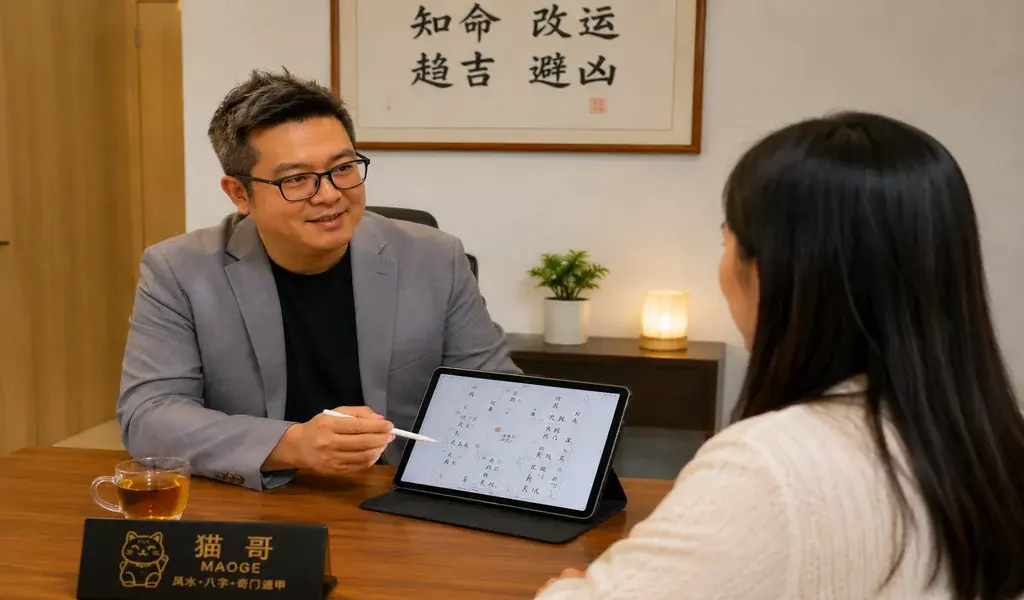
Feng Shui is Invisible Architecture
We often credit our feelings about a space to visible elements—the color of the wall, the style of the furniture, or the lighting. But what if there was something more? A hidden structure that cultivates our experience, influencing our mood, productivity, and even our health? Welcome to the world of Feng Shui.
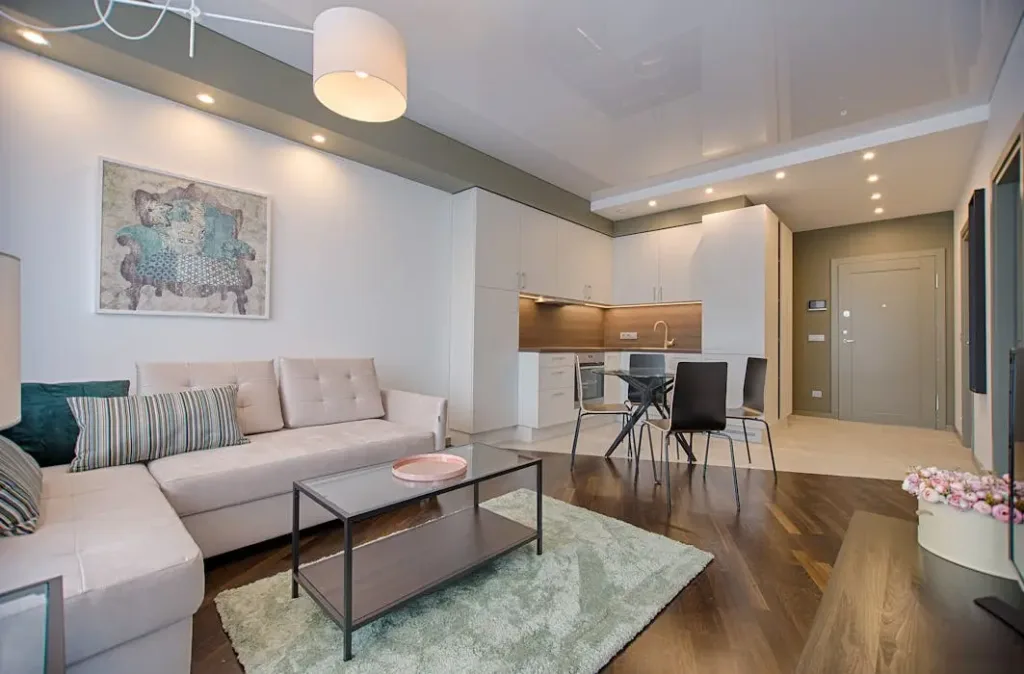
1. It’s More Than Just Moving Furniture
Over thousands of years, this Chinese metaphysical art has taught us that our surroundings are not passive backdrops but active participants in our lives. It’s a philosophy rooted in the understanding that by harmonizing ourselves with our environment, we invite balance and prosperity.
Debunking the Myths
Let’s be clear: Feng Shui is NOT interior design.
- ❌ It’s not a magical quick fix.
- ❌ It’s not a strict set of superstitious rules requiring you to buy “lucky bamboo” or “money frogs.”
- ✅ Core Essence: It is the art of arranging an environment to improve the flow of natural energy (Chi), creating a space that nourishes you.
2. The Ancient Wisdom: From Survival to Success
Feng Shui (Wind and Water) isn’t a new trend. Before the compass was even invented, our ancestors in ancient China used astronomy to decide where to build their homes. This wasn’t superstition; it was survival science—finding spots that caught winter sunlight or avoided harsh winds.
Later known as “Kan Yu” (堪舆)—the study of Heaven and Earth—it became a guarded secret in the Imperial Court. The objective was simple yet powerful: When a home is in harmony with the land, those living in it will thrive.
3. Chi (气): The Breath of Your Home
Chi (pronounced “chee”) is the life force energy that flows through everything.
- Flowing River: Think of Chi as a river. When it flows freely, the land is fertile. When blocked, everything stagnates.
- In Your Home: Chi enters through the front door (The Mouth of Chi) and should circulate gently, nourishing every corner.
4. A Question of Balance: Yin & Yang
Feng Shui relies on the dynamic balance of Yin (Passive/Quiet) and Yang (Active/Bright).
| Space | Energy Need | Design Tip |
|---|---|---|
| Bedroom | More Yin (Rest) | Softer lighting, calming colors, heavy curtains. |
| Home Office | More Yang (Focus) | Bright light, organized desk, energetic colors. |
5. The Five Elements (五行)
Everything in the universe is made of five types of energy. In Feng Shui, we use these elements to correct imbalances:
- 🌲 Wood: Growth, vitality, new beginnings.
- 🔥 Fire: Passion, fame, transformation.
- ⛰️ Earth: Stability, grounding, support.
- 🪙 Metal: Clarity, logic, precision.
- 💧 Water: Flow, wisdom, abundance.
Conclusion: Why Feng Shui Still Matters
Feng Shui isn’t about blind belief; it’s about conscious living. When we take care of our surroundings, our surroundings take care of us. A balanced environment eases stress, improves sleep, and smoothens your daily path to success.
Does your home feel “off” or draining?
You might be dealing with blocked Chi or an imbalance of elements.
Let Master Cat (猫哥) analyze your space’s invisible architecture.