


Key Takeaways
- Feng Shui for the house starts with the main door, room layout, airflow, light, furniture placement, and how people use the home every day.
- For Malaysian homes, Feng Shui should be applied according to real layouts such as condos, terrace houses, semi-D homes, bungalows, apartments, and shop offices.
- Useful Feng Shui tips for home include clearing the entrance, improving bedroom support, checking kitchen placement, balancing colours, and reducing clutter.
- A Feng Shui home map can help you understand different areas of the house, but it should not be used blindly without considering the actual floor plan.
- House direction, house numbers, colours, plants, mirrors, and home office layout can all matter, but they should be reviewed together instead of treated as separate lucky tricks.
Many people ask the same question: how do I Feng Shui my house without making expensive renovations or buying random lucky items? The answer is simple. Start with the home itself. Look at how Qi enters, how people move through the space, where the bedroom is placed, how the kitchen is arranged, and whether the home feels bright, clean, stable, and comfortable.
Feng Shui for the house is not only about decoration. It is about creating a home that supports health, family harmony, focus, rest, wealth management, and long-term stability. For Malaysian homes, this is especially important because many people live in condos, terrace houses, linked houses, shop lots, apartments, or landed homes with fixed layouts that are not always ideal.
If you are completely new to the subject, you may also read this guide on Feng Shui as home energy. It explains why Feng Shui is not just about moving furniture, but also about invisible structure, movement, comfort, and environmental support.
If you prefer a personalised review instead of applying general tips blindly, Master Cat also provides Feng Shui consultation for Malaysian homes, offices, shops, and renovation planning.
What Is Feng Shui for the House?
Feng Shui for the house is the practice of arranging and reviewing a home so that the space supports the people living inside it. A good home should feel easy to enter, easy to move through, comfortable to rest in, and stable enough for family, health, wealth, and daily decision-making.
At a basic level, home Feng Shui looks at Qi flow, the main entrance, bedroom layout, kitchen placement, house direction, colours, the Five Elements, furniture position, clutter, and the relationship between the house and the surrounding environment.
For a general educational reference, National Geographic Education describes Feng Shui as the Chinese art of arranging buildings, objects, and space to achieve harmony and balance. In practice, a proper home Feng Shui review should still consider the actual floor plan, direction, surrounding environment, and the people using the space every day.
Start with the Main Door and Home Entrance
The main door is one of the most important areas in Feng Shui for the house. It is often called the Mouth of Qi because it is where energy first enters the home. If the entrance is dark, blocked, messy, or difficult to walk through, the whole home may feel less welcoming and less stable.
In many Malaysian homes, the entrance area is also where people keep shoes, umbrellas, parcels, bicycles, delivery bags, or storage boxes. This is practical, but it becomes a Feng Shui problem when the main door cannot open fully or the entrance feels crowded and stagnant.
Feng Shui Tips for Home Entrance
- Keep the main door clean, bright, and easy to open.
- Avoid blocking the entrance with shoes, boxes, bicycles, or unused items.
- Use proper shoe storage instead of leaving footwear scattered around.
- Fix broken lights, dirty mats, bad smells, and damaged door handles.
- Do not overload the entrance with Feng Shui items before fixing the basic condition of the space.
Understand Your Feng Shui Home Map
A Feng Shui home map helps you understand how different areas of the house relate to different life areas. Many people know this as the Bagua Map. It can be used to review wealth, career, relationships, family, health, reputation, knowledge, helpful people, and children or creativity sectors.
However, a Feng Shui home map should not be used blindly. A Malaysian condo, a terrace house, a corner lot, a semi-D home, and a shop office can all have different floor plan issues. Some homes have missing corners. Some have long corridors. Some have odd extensions, narrow kitchens, or bedrooms placed in difficult positions.
| Home Area | What to Check | Common Feng Shui Issue |
|---|---|---|
| Entrance | Qi entry, light, cleanliness, door movement | Blocked door, dark foyer, cluttered shoe area |
| Living Room | Family interaction, sofa position, airflow | Too much furniture, weak seating support |
| Bedroom | Bed position, privacy, rest quality | Bed facing door, mirror reflecting bed, no headboard support |
| Kitchen | Stove, sink, ventilation, cleanliness | Fire and Water clash, poor airflow, messy stove area |
| Home Office | Desk direction, back support, focus | Sitting with back exposed, weak lighting, messy desk |
Check Feng Shui for House Direction
Feng Shui for house direction is another common concern. Many homeowners want to know whether a house facing north, south, east, or west is lucky. In reality, there is no single best direction for everyone. A direction must be reviewed together with the house layout, landform, surrounding roads, main door position, and the people living there.
For example, a south-facing house can be good for one family but uncomfortable for another if the internal layout is poor. A west-facing house may have stronger afternoon heat in Malaysia, but whether it is a Feng Shui problem depends on the entrance, bedroom, kitchen, ventilation, and external surroundings.
If your main concern is house direction, floor plan, bedroom position, kitchen placement, and family harmony, Yang Zhai home Feng Shui is usually more relevant than applying random online direction rules one by one.
Feng Shui Bedroom Layout and Bedroom Location
The bedroom is one of the most important rooms in home Feng Shui because it affects sleep, recovery, health, emotional stability, and relationship energy. Good Feng Shui bedroom location and layout should create a calm, private, and supported feeling.
A common beginner mistake is decorating the bedroom beautifully while ignoring the bed position. In Feng Shui, the bed should feel supported. You should ideally be able to see the door from the bed without being directly aligned with it.
- Place the bed against a stable wall where possible.
- Avoid placing the bed directly in line with the bedroom door.
- Avoid mirrors that directly reflect the bed.
- Do not sleep directly under a heavy beam if it creates pressure above the body.
- Keep work items, storage boxes, and sharp objects away from the sleeping area.
Kitchen Feng Shui: Stove, Sink, and Health Energy
The kitchen is connected to nourishment, health, family resources, and wealth management. In many traditional Feng Shui systems, the stove is considered an important symbol of household resources. This is why the stove should be clean, functional, and properly placed.
Common kitchen Feng Shui issues include the stove being too close to the sink, poor ventilation, broken appliances, messy countertops, leaking taps, and uncomfortable cooking positions. These may look ordinary, but they can create stress in daily routines.
Simple Kitchen Feng Shui Rules
- Keep the stove clean and working properly.
- Fix leaking taps and broken kitchen lights.
- Avoid letting the kitchen become dark, oily, damp, or badly ventilated.
- Do not overload the stove area with unnecessary items.
- Review stove and sink placement carefully before major renovation.
Living Room Feng Shui for Family Harmony
The living room is where family members gather, guests enter, and daily energy becomes visible. A good living room Feng Shui layout should feel open, bright, welcoming, and easy to move through.
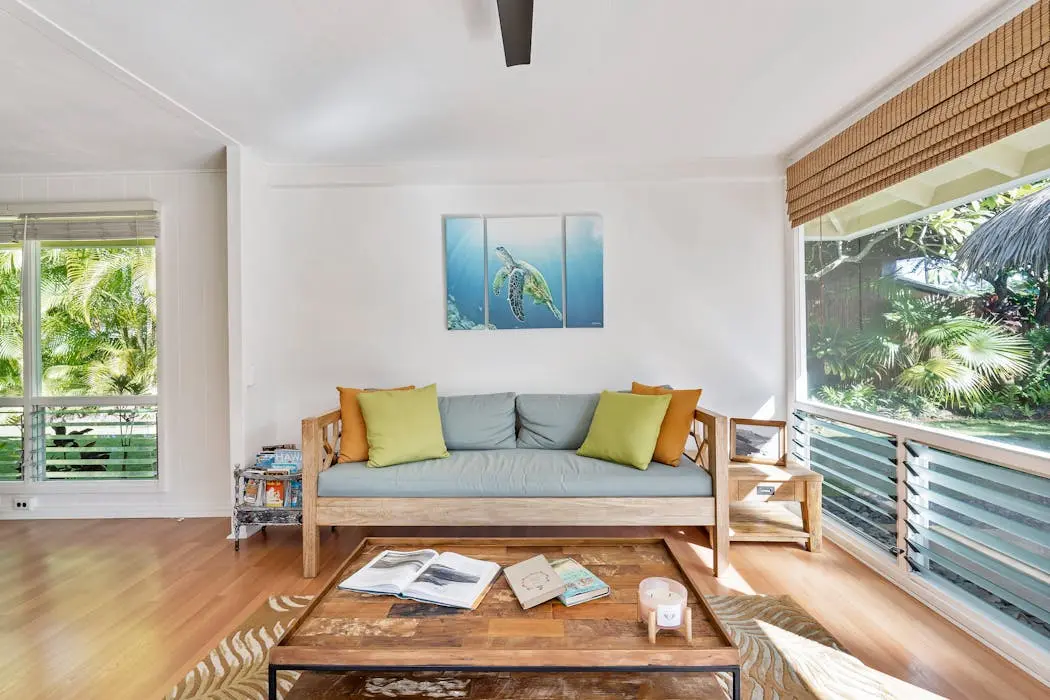
The sofa should ideally have stable support behind it. Avoid placing the main sofa in a position where people feel exposed, squeezed, or unable to see who is entering the room. Too much furniture can block Qi flow and make the living room feel heavy.
- Keep the living room bright and easy to walk through.
- Use furniture placement that supports conversation instead of blocking movement.
- Avoid placing too many sharp-edged objects in high-traffic areas.
- Fix broken lights, damaged furniture, and dusty corners.
- Do not turn the living room into a storage area for unused items.
Feng Shui for a Home Office
Feng Shui for a home office is becoming more important because many Malaysians now work from home, run online businesses, manage accounts, or make business decisions from a study room or spare room. A good work area should support focus, authority, planning, and clear thinking.
The desk should ideally be placed where you can see the door without sitting directly in line with it. Your back should feel supported by a wall or stable cabinet. Sitting with your back exposed to the door can make the workspace feel less secure.
If you are planning a work area, management room, retail office, or business space, read this 2026 office Feng Shui layout guide for Malaysia for a more business-focused perspective.
Feng Shui Home Colors and the Five Elements
Feng Shui home colors should not be chosen only because a colour sounds lucky. Colours are connected to the Five Elements: Wood, Fire, Earth, Metal, and Water. Each element has its own energy and should be used according to the room function, home direction, and overall balance.
For a deeper explanation, read this guide on the Five Elements of Feng Shui. Beginners should understand the elements before adding too much red, black, gold, green, or water-related decoration into the home.
| Element | Common Colors | Home Use |
|---|---|---|
| Wood | Green, teal, natural wood tones | Growth, learning, health, family energy |
| Fire | Red, orange, purple, strong lighting | Visibility, activity, passion, reputation |
| Earth | Beige, brown, yellow, clay tones | Stability, grounding, harmony, support |
| Metal | White, grey, silver, gold | Focus, structure, discipline, clarity |
| Water | Black, dark blue, reflective surfaces | Movement, wisdom, communication, opportunity |
Feng Shui for House Numbers
Feng Shui for house numbers is a popular topic in Malaysia. Some people prefer numbers like 8, 6, or 9 because they sound lucky in Chinese culture. Others worry about number 4 because of pronunciation associations. However, house number alone should not decide whether a property is good or bad.
A good house number cannot fix a poor entrance, bad layout, dark bedroom, weak kitchen placement, or uncomfortable living environment. If you are buying a property, house number can be one supporting factor, but it should not replace a full home Feng Shui review.
Altar Placement in Malaysian Homes
Many Malaysian Chinese homes include an altar, prayer area, or spiritual corner. This area should be clean, stable, respectful, and properly placed. Poor altar placement can create discomfort, especially if it is too close to toilets, placed under beams, squeezed beside messy storage, or constantly disturbed by daily movement.
If your home includes a prayer area, read this guide on Malaysia home Feng Shui altar placement before making major changes.
Common Home Feng Shui Mistakes
Many Feng Shui problems are not caused by bad luck. They are caused by poor space planning, blocked movement, weak lighting, heat, dampness, clutter, and furniture placement that does not support daily living.
Avoid These Feng Shui Mistakes
- Blocking the main door with shoes, boxes, parcels, or storage items.
- Placing the bed directly in line with the bedroom door.
- Using mirrors without checking what they reflect.
- Choosing lucky colours without understanding the Five Elements.
- Ignoring the stove, sink, and kitchen ventilation.
- Treating house number as more important than the actual home layout.
- Copying online Feng Shui tips without checking the floor plan and direction.
How to Feng Shui Your Home Step by Step
If you are a beginner, do not start by buying decorations or lucky objects. Start with the basics. A clean, bright, organised, and well-supported home already improves the foundation of Qi flow.
- Clear the main entrance and make sure the door opens fully.
- Improve lighting and airflow in the living room, bedroom, and kitchen.
- Check whether your bed, sofa, stove, and desk are placed in supported positions.
- Remove broken items, unused furniture, and long-term clutter.
- Review the house direction, floor plan, missing corners, and room functions.
- Use colours and elements carefully instead of overloading one lucky theme.
- For buying property, renovation, altar placement, or business layout, get a proper review before making expensive changes.
Need Help Reviewing Your Home Feng Shui?
If you are unsure about your main door, bedroom, kitchen, house direction, altar placement, home office, or overall floor plan, Master Cat can review your home from a practical Feng Shui perspective.
Suitable for Malaysian condos, terrace houses, landed homes, home offices, shops, and renovation planning.
When Should You Consult a Feng Shui Master?
Simple Feng Shui improvements can be done by yourself. However, some situations need a more detailed review because the wrong adjustment may create new problems, especially when renovation, property selection, altar placement, or major layout changes are involved.
- You are buying a new condo, terrace house, landed property, or shop lot.
- You plan to renovate the kitchen, bedroom, main door, or office area.
- Your home feels dark, uncomfortable, unstable, or difficult to settle in.
- Your family keeps facing repeated conflict, health pressure, or financial stress.
- You want a practical Feng Shui review instead of random online tips.
For professional support, start with Feng Shui consultation if you need an overall review, or choose Yang Zhai home Feng Shui if your focus is residential layout, bedroom, kitchen, main door, altar placement, or family harmony.
Home Feng Shui FAQ
How do I Feng Shui my house for beginners?
Start with the main door, lighting, airflow, clutter, bedroom layout, kitchen condition, and furniture placement. Do not begin by buying lucky objects before fixing the basic condition of the home.
What is the first thing to fix in home Feng Shui?
The first thing to fix is usually the main entrance. It should be clean, bright, easy to open, and free from clutter because it is where Qi first enters the home.
Is house direction important in Feng Shui?
Yes, house direction can be important, but it should not be judged alone. Direction must be reviewed together with the floor plan, main door, surrounding environment, bedroom, kitchen, and the people living in the house.
Are house numbers important in Feng Shui?
House numbers can have cultural meaning, but they should not replace a full Feng Shui review. A good house number cannot fix a poor layout, blocked entrance, bad bedroom position, or uncomfortable living environment.
Can I Feng Shui a condo in Malaysia?
Yes. Condo Feng Shui can still be reviewed through the main door, balcony, bedroom, kitchen, internal layout, lift location, corridor, sunlight, airflow, and surrounding environment.
When should I consult a Feng Shui master?
You should consult a Feng Shui master when buying property, renovating, moving the main door, changing the kitchen, setting up an altar, planning a home office, or when your home feels uncomfortable despite basic improvements.
Conclusion: Feng Shui Your House from the Basics First
Feng Shui for the house does not need to feel complicated when you start with the basics. Begin with the main door, airflow, light, clutter, bedroom support, kitchen condition, home map, house direction, and practical room layout.
For simple improvements, you can start by cleaning, organising, improving lighting, and adjusting furniture placement. For serious decisions like buying property, renovation, altar placement, business layout, or long-term family issues, a professional Feng Shui review is a safer choice.