



Key Takeaway
- The core: Feng Shui uses five key energies: Wood, Fire, Earth, Metal, and Water.
- The goal: Balance is more important than adding random colours or objects. Too much of one element can create imbalance.
- The method: Feng Shui uses the generating cycle and controlling cycle to understand how elements support, reduce, or balance each other.
What Do the 5 Elements of Feng Shui Mean?
When most Malaysians hear the word feng shui, we often think about arranging furniture, choosing the right date for moving house, or even selecting a lucky car plate. But behind these practices is a deeper system of energy balance. At the heart of it lies the five elements of feng shui: Wood, Fire, Earth, Metal, and Water.
A professional Feng Shui Master in Malaysia will often begin a consultation by looking at how the 5 elements interact in your home, office, and personal destiny. If you have ever wondered what is my element? or how do these elements affect my daily life?, this article will give you a clear and practical starting point.
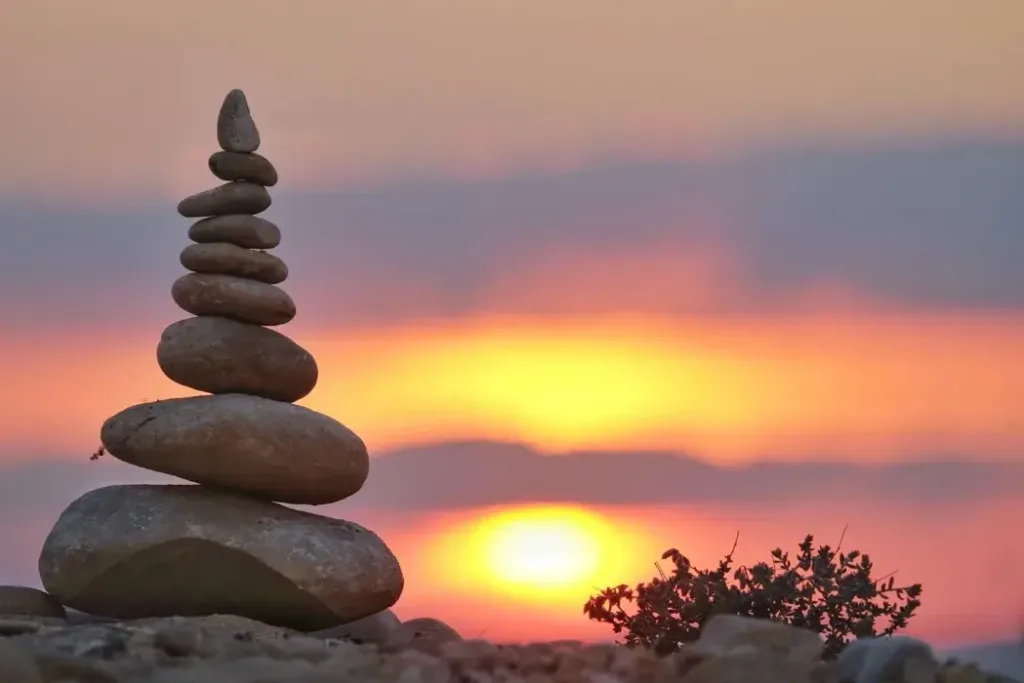
The Meaning of Each Feng Shui Element
The five elements are more than just symbols. They reflect the cycles of nature and how energy flows in a space. Each element has its own qualities, colours, shapes, and practical applications.
Wood Element
Wood represents growth, expansion, creativity, and development. In home Feng Shui, Wood can be represented by plants, wooden furniture, vertical shapes, and green or teal tones.
Fire Element
Fire represents passion, visibility, recognition, warmth, and energy. It can be represented by lighting, red or purple tones, triangular shapes, and active visual energy.
Earth Element
Earth represents stability, grounding, nourishment, and support. It is commonly represented by ceramics, stone, square shapes, brown tones, yellow tones, and earthy textures.
Metal Element
Metal represents clarity, precision, focus, structure, and strength. It can be represented by metal accents, round shapes, white, silver, grey, or clean minimalist design.
Water Element
Water represents flow, wisdom, adaptability, and movement. It is often represented by mirrors, water features, blue or black tones, and flowing shapes.
| Element | Meaning | Colours | Remedies / Tips |
|---|---|---|---|
| Wood | Growth, creativity | Green, teal | Add plants or wooden furniture. |
| Fire | Passion, energy, recognition | Red, purple | Use lighting carefully. Avoid too much Fire energy in bedrooms. |
| Earth | Stability, grounding | Brown, yellow | Add pottery, stone, ceramics, or square shapes. |
| Metal | Clarity, focus, structure | White, silver, grey | Add metal accents and reduce clutter. |
| Water | Flow, wisdom, adaptability | Blue, black | Use mirrors or water features carefully. |
Can I Find My Feng Shui Element by Birthday?
One of the most common questions people in Malaysia ask is: “What is my element based on my Chinese birthday?” In Chinese metaphysics, your personal element is usually analysed through BaZi, also known as the Four Pillars of Destiny.
A proper BaZi reading does not depend only on your birth year. It normally requires your full birth date and birth time. In many BaZi systems, the personal element is usually understood through the Day Master, not simply the year you were born.
Quick Guide by Birth Year
This is only a simplified year-stem reference. It is useful for basic understanding, but it should not replace a proper BaZi reading.
- Metal: Birth year ending in 0 or 1. For example: 1990, 1991, 2020.
- Water: Birth year ending in 2 or 3. For example: 1992, 1993, 2022.
- Wood: Birth year ending in 4 or 5. For example: 1984, 1985, 2024.
- Fire: Birth year ending in 6 or 7. For example: 1986, 1987, 2026.
- Earth: Birth year ending in 8 or 9. For example: 1988, 1989, 2028.
Important note: This quick guide is not a full BaZi analysis. A true reading should consider the full birth date, birth time, seasonal strength, and the overall structure of the chart.
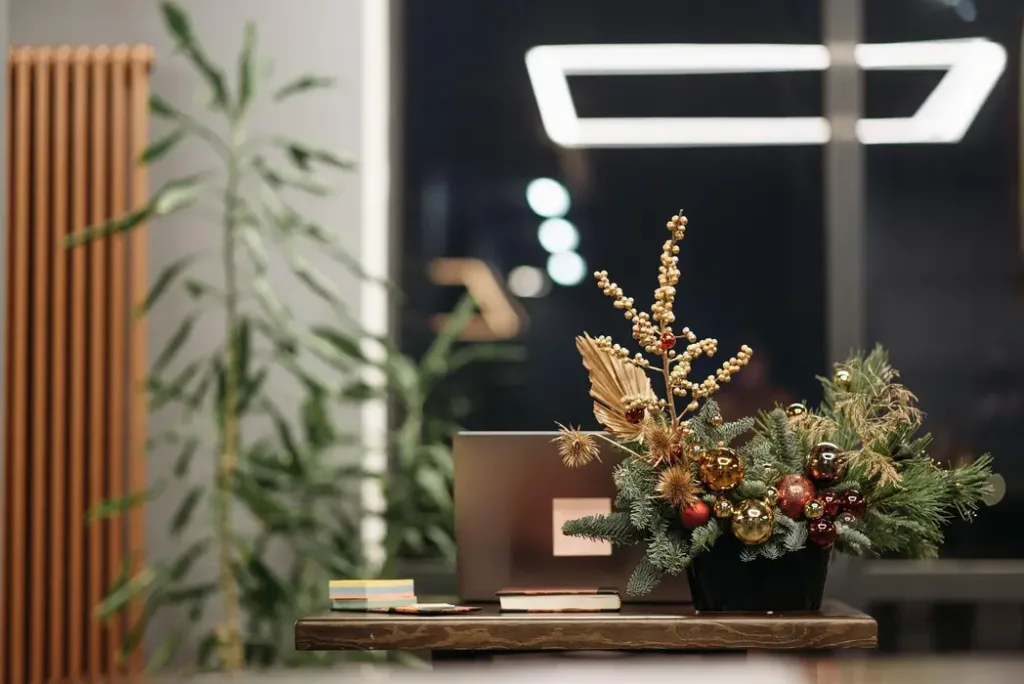
Which Element Controls Water?
This question touches on the controlling cycle of the five elements. Instead of saying one element “destroys” another, a more accurate and professional way to explain it is that one element controls, balances, or reduces another element.
The Controlling Cycle
- Wood controls Earth: Roots break through soil.
- Earth controls Water: Earth dams and contains Water.
- Water controls Fire: Water reduces Fire.
- Fire controls Metal: Fire melts Metal.
- Metal controls Wood: Metal cuts Wood.
So, the element that controls Water is Earth.
Everyday Application
If a space has too much “Water” energy, such as feeling lost, overly emotional, uncertain, or unfocused, adding Earth elements such as brown colours, square shapes, ceramics, or stone textures can help bring more stability.
How to Balance the 5 Elements of Nature
The beauty of feng shui is not about removing energy, but balancing it. A professional Feng Shui assessment looks at whether an element is excessive, weak, wrongly placed, or supporting the wrong area.
Step 1: Identify Excess or Weakness
- Too much Fire: You may notice more tension, impatience, arguments, or restlessness.
- Too much Water: You may feel indecisive, unfocused, overly emotional, or unclear about direction.
- Too much Metal: The space may feel cold, rigid, or overly strict.
- Too much Earth: The space may feel heavy, slow, or stagnant.
- Too much Wood: The space may feel busy, pressured, or overly competitive.
Step 2: Apply the Cycles
- Generating cycle: Wood → Fire → Earth → Metal → Water → Wood.
- Controlling cycle: Wood → Earth → Water → Fire → Metal → Wood.
In practice, this does not mean you should randomly add colours or objects. The right remedy depends on the actual layout, direction, timing, and the people using the space.
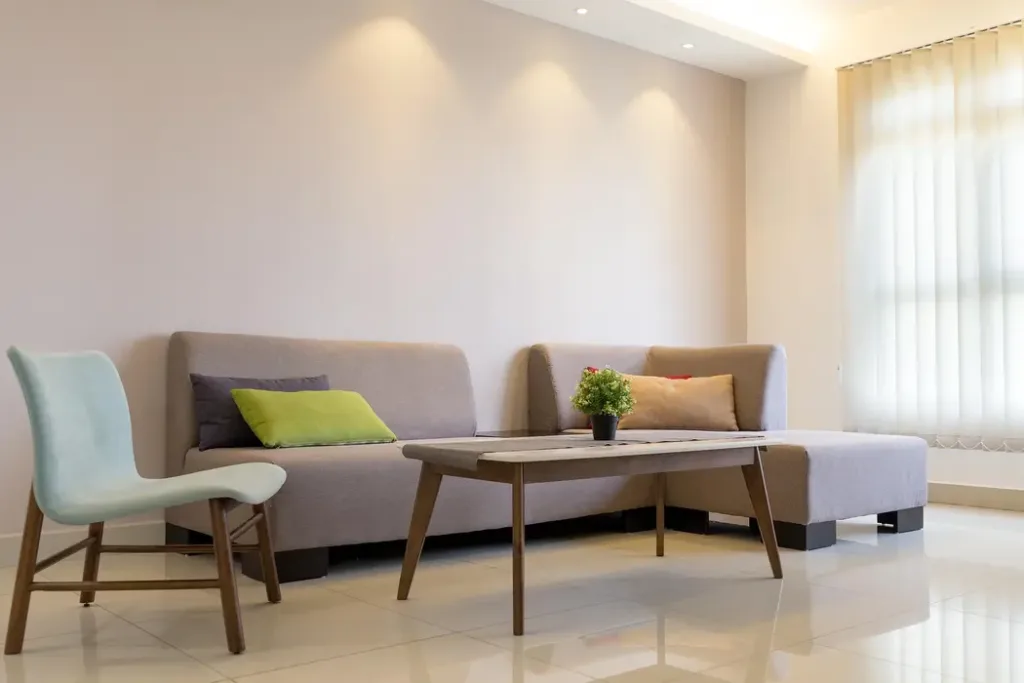
What Is Bad Feng Shui for a House?
In the Malaysian context, bad Feng Shui is not always about superstition. Many common issues are related to energy flow, comfort, privacy, and how people use the space every day.
Common House Feng Shui Issues
- Front door: A front door facing a staircase or T-junction may create unstable energy flow.
- Bedroom: A bed under a beam or a mirror directly facing the bed may affect rest and comfort.
- Kitchen: A stove directly facing the sink may create a Fire and Water conflict.
- Clutter: Too much clutter can block movement, clarity, and fresh energy.
- Dark corners: Poor lighting and stagnant corners can make a home feel heavy or inactive.
Is Your Home’s Element Balance Supporting You?
Not sure if your home needs more Fire, less Water, stronger Earth, or better Metal clarity? A proper consultation can help you avoid random fixes and understand what your space actually needs.
WhatsApp Master CatPractical Feng Shui Consultation | Clear Explanation | No Fear-Based Advice
Final Thoughts: Feng Shui and Malaysian Living
The 5 elements of feng shui are practical tools for creating harmony. In Malaysia, adapting traditional wisdom to modern city life, from KL condos to Penang shoplots, requires more than generic rules. The best results come from understanding the actual space, the people living or working there, and the way energy flows through daily life.
If you are trying to balance your home, office, or personal direction, start by understanding the five elements as a framework. Then, avoid random fixes and look at how the elements interact in your actual environment.