

Key Takeaways
- Feng Shui meaning is not simply about lucky charms, crystals or decorative objects. At its core, Feng Shui is about how people interact with their environment.
- The words Feng Shui literally mean “wind” and “water”, but the practice is more about Qi flow, landform, direction, time and space.
- Classical Feng Shui looks at Qi, Luan Tou, Li Qi, the Five Elements and the relationship between a building and its surroundings.
- Feng Shui is not a religion and should not be treated as a guaranteed wealth formula. It is better understood as a traditional Chinese environmental analysis system.
- For Malaysian homes and businesses, good Feng Shui starts with practical basics: clear Qi flow, stable support, correct placement, balanced elements and timing that fits the people using the space.
Many people hear the word Feng Shui and immediately think of lucky charms, crystals, golden dragons, water features or lucky numbers. These objects may appear in some homes or shops, but they are not the true meaning of Feng Shui.
The real meaning of Feng Shui is much deeper. It is a traditional Chinese way of analysing how a place, building, direction, timing and surrounding environment may influence the people living or working there. It is not about blindly placing objects. It is about understanding the relationship between people and space.
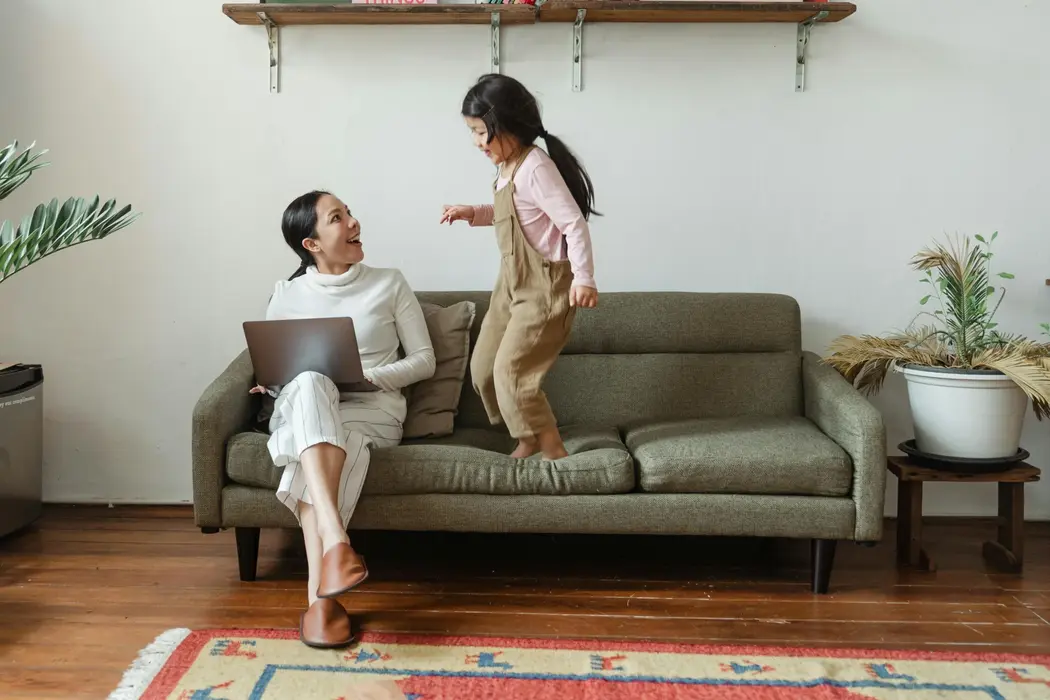
In simple terms, Feng Shui meaning can be understood as this: creating a space where Qi can flow properly, people can feel supported, and important areas such as the entrance, bedroom, kitchen, office desk and business layout are arranged with better awareness.
What Is the Meaning of Feng Shui?
Literally, the word Feng Shui means “wind” and “water”. In traditional Chinese thought, wind carries Qi and water gathers Qi. This is why classical Feng Shui pays close attention to landform, movement, direction and the way energy collects or disperses in a place.
However, Feng Shui should not be reduced to a simple superstition or a decoration style. Classical Feng Shui is a structured way of analysing time, space, form and environmental Qi. It looks at how a property receives, stores and distributes energy, and how that environment may support or disturb the people inside.
A simple definition
Feng Shui is a traditional Chinese environmental system that studies how form, direction, time and space may affect the way people experience a home, office or business place.
For a general public explanation of Feng Shui as a practice related to spatial flow and Qi, you may also refer to this overview by Architectural Digest. This article focuses on how LuckyCat explains Feng Shui in a Malaysian home and business context.
Feng Shui Is Not Just Lucky Charms
One of the biggest misunderstandings is that Feng Shui means buying lucky objects. A crystal, a money frog, a dragon statue or a lucky plant may look nice, but the object itself does not automatically create good Feng Shui.
If the entrance is blocked, the bedroom is poorly positioned, the kitchen creates strong elemental conflict, or the office desk sits in a weak command position, adding a lucky charm will not solve the root problem.

| Common Misunderstanding | Better Feng Shui Understanding |
|---|---|
| Buying a lucky object will change everything. | The layout, Qi flow and placement must be analysed first. |
| Feng Shui is only about wealth. | Feng Shui also relates to health, harmony, focus, stability and decision-making. |
| One formula works for every house. | Every property has different facing direction, form, timing and occupants. |
| Feng Shui can replace hard work. | Feng Shui can support better conditions, but action and responsibility still matter. |
The Core of Feng Shui: Qi, Form, Time and Space
To understand what Feng Shui is based on, you need to understand three important layers: Qi, Luan Tou and Li Qi. These are the basic building blocks behind many professional Feng Shui assessments.
| Core Concept | Meaning | Practical Example |
|---|---|---|
| Qi | The movement and quality of energy in a place. | A bright, open entrance usually feels more welcoming than a dark, blocked one. |
| Luan Tou | The visible physical form of the environment. | Roads, buildings, sharp corners, slopes, water features and surrounding landform. |
| Li Qi | The formula, direction and time-based layer of Feng Shui. | A house may feel different across different periods because time cycles change. |
This is why a serious Feng Shui reading should not be based only on decoration. It should consider the property layout, surrounding form, facing direction, timing and the real needs of the people using the space.
The Five Elements in Feng Shui
The Five Elements of Feng Shui are Wood, Fire, Earth, Metal and Water. They are not just physical materials. They represent patterns of movement, behaviour and interaction.
| Element | Key Energy | Modern Application |
|---|---|---|
| Wood | Growth, expansion, learning. | Education, publishing, furniture, planning and development. |
| Fire | Visibility, passion, attention. | Media, technology, beauty, marketing and F&B. |
| Earth | Stability, trust, support. | Real estate, construction, insurance, property and storage. |
| Metal | Structure, discipline, authority. | Finance, law, jewellery, automotive and management systems. |
| Water | Flow, movement, wisdom. | Logistics, trading, communication, beverages and networks. |
In a real consultation, the goal is not to randomly add all five elements into a room. The goal is to understand what is too strong, what is too weak, what is conflicting and what needs support.
Common Malaysian Feng Shui Myths
In Malaysia, many Feng Shui ideas are mixed with cultural habits, dialect beliefs and family traditions. Some are meaningful, but not everything people call Feng Shui is truly Feng Shui.
| Myth | Better Understanding |
|---|---|
| The number 4 is always bad. | This is mostly a linguistic belief. Feng Shui should not judge a property only by a number. |
| A water feature always brings wealth. | Water placement depends on direction, timing, form and the property layout. |
| A lucky item can fix every problem. | The root problem is usually layout, Qi flow, form, timing or usage of space. |
| One layout fits every house. | Different homes have different direction, period, occupants and external forms. |
How to Start Applying Feng Shui at Home
You do not need to renovate your entire house immediately. A more sensible approach is to avoid obvious problems first, then enhance the useful areas later.
Start with these practical steps
- Clear the entrance: The main door should feel open, bright and easy to use.
- Reduce clutter: Clutter creates stagnant movement and makes a home feel heavier.
- Fix leaks and broken items: These often reflect neglected areas in the home.
- Check bed and desk placement: Rest and work areas should feel supported and stable.
- Avoid forcing cures: Do not add water features, mirrors or strong colours without checking suitability.
For a more practical home-focused guide, you can continue reading: Feng Shui for the House: Beginner Guide for Malaysian Homes.
Related Services: When You Need a Proper Feng Shui Review
If you are buying a property, renovating a home, opening a business, arranging an altar or planning an important date, it is better to analyse the layout properly instead of guessing from generic online advice.
- 👉 Feng Shui Consultation: Suitable for home, office, business, property selection and layout review.
- 👉 Yang Zhai Feng Shui: Suitable for house layout, altar placement, bedroom, kitchen, main door and residential Feng Shui.
- 👉 Chinese Auspicious Date Selection: Suitable for move-in dates, renovation start dates, opening dates, signing dates and important actions.
Is your home supporting or blocking you?
If your home, office or business place feels stuck, messy or difficult to manage, a proper Feng Shui review can help you understand whether the issue comes from layout, Qi flow, timing, direction or usage of space.
WhatsApp Master Cat for Feng Shui Consultation
Suitable for homes, offices, shops, factories, property selection and renovation planning.
Frequently Asked Questions About Feng Shui Meaning
What is the true meaning of Feng Shui?
The true meaning of Feng Shui is the study of how people interact with their environment through Qi flow, form, direction, time and space. It is not just about lucky objects or decorations.
Is Feng Shui a religion?
No. Feng Shui is not a religion. It is a traditional Chinese environmental system used to analyse homes, buildings, directions, timing and spatial arrangement.
Is Feng Shui just about lucky charms?
No. Lucky objects may be cultural symbols, but true Feng Shui focuses on Qi flow, form, placement, direction, timing and how the space supports the people using it.
What are Qi, Luan Tou and Li Qi in Feng Shui?
Qi refers to energy flow, Luan Tou refers to visible environmental form, and Li Qi refers to formula-based direction and time analysis. Together, they form important layers in a Feng Shui assessment.
What are the Five Elements in Feng Shui?
The Five Elements are Wood, Fire, Earth, Metal and Water. They represent different types of movement, qualities and interactions used to understand balance or conflict in a space.
How do I start applying Feng Shui at home?
Start by clearing the entrance, reducing clutter, fixing leaks or broken items, improving light and air flow, and checking whether important areas such as the bed, desk, kitchen and main door feel stable and properly placed.
Conclusion: Feng Shui Is About Space, Timing and Support
The true meaning of Feng Shui is not superstition, decoration or a shortcut to wealth. It is a traditional way of studying the relationship between people and their environment through Qi, form, direction, time and space.
When used properly, Feng Shui helps you understand whether a space supports rest, focus, harmony, business flow and long-term stability. When misunderstood, it becomes a collection of random objects and fear-based rules.
Reminder: Feng Shui consultation should be used as a traditional cultural and environmental reference. It should not replace legal, medical, financial, architectural, engineering or other professional advice when those areas are involved.